
Foundations Learning Community
Personalized Learning. Real-Life Skills. Strong Foundations.
We believe education should feel welcoming, not overwhelming. Foundations Learning Community is a personalized learning program designed to support students through individualized instruction, character development, life skills, and meaningful learning experiences. Rooted in relationships and guided by the belief that every child deserves strong support and opportunities for success, Foundations Learning Community provides a structured, nurturing environment where students can grow academically, socially, and emotionally.
PROGRAM OVERVIEW
Foundations Learning Community is a small, personalized learning environment designed to support students through individualized instruction, real-life learning experiences, and intentional character development. Students receive focused support in core academic areas while also engaging in project-based learning, life skills, physical movement, and opportunities to build confidence, independence, and responsibility.
Rather than taking a one-size-fits-all approach, Foundations Learning Community is designed to meet students where they are and help them grow from there. Instruction is guided by each child’s needs, strengths, and learning progress, allowing students to receive the support, challenge, and encouragement they need to succeed.
The goal of Foundations Learning Community is to provide families with a structured, nurturing, and meaningful educational option where children are known, supported, and given opportunities to develop strong academic, personal, and life foundations.
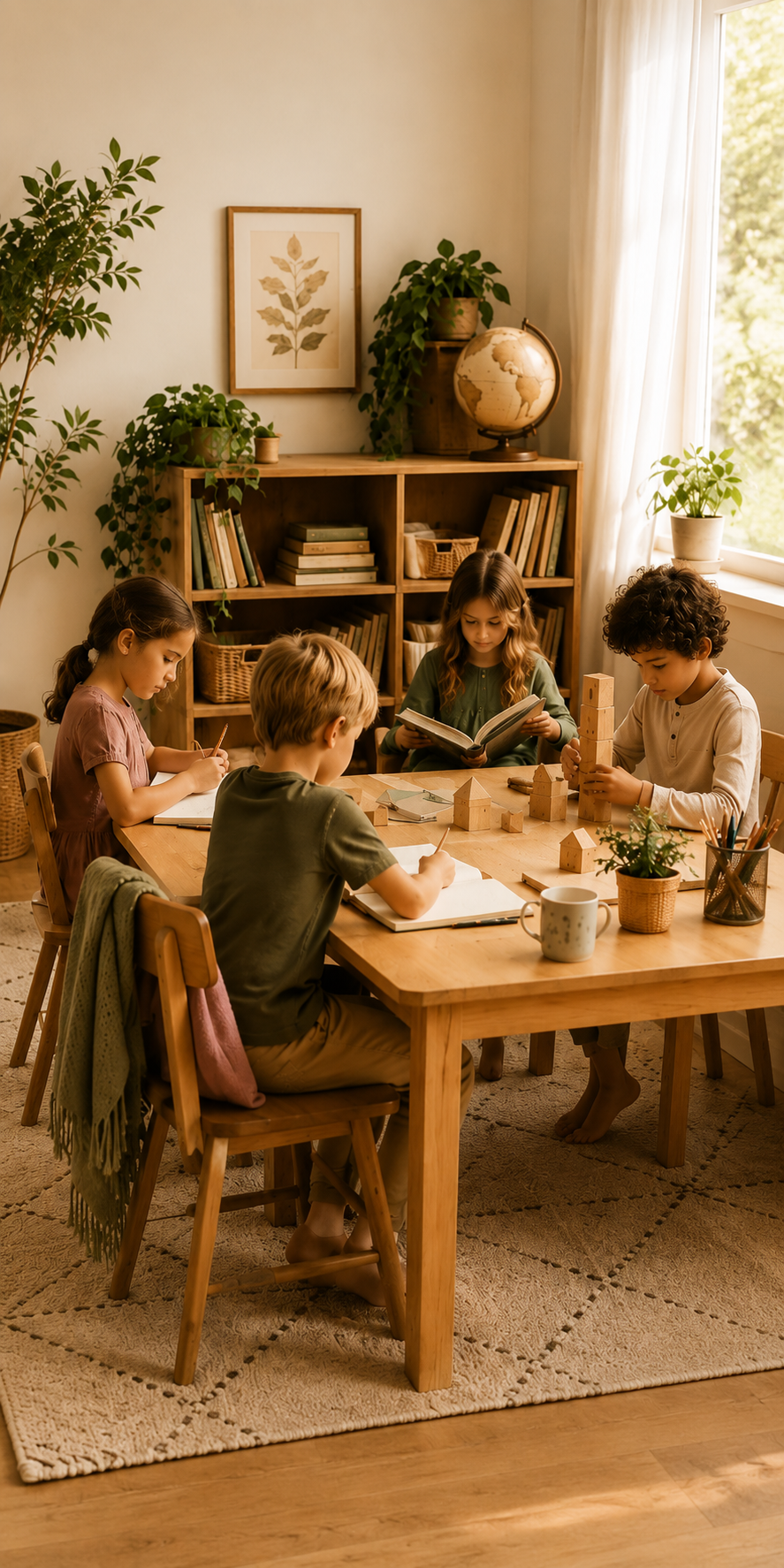
At Foundations Learning Community, learning is designed around the child, not a one-size-fits-all system. Every student learns differently, which means instruction should be responsive to each child’s strengths, needs, interests, and pace of growth. Students receive individualized support in reading, writing, math, science, and social studies while also developing confidence, independence, responsibility, and real-world skills.
Foundations Learning Community does not focus on state testing as the measure of a child’s worth or potential. Instead, growth is seen through progress, understanding, confidence, effort, and the ability to apply learning in meaningful ways. Families are able to partner in shaping life skills that matter most for their child, allowing learning to connect to real needs, real interests, and real-life preparation.
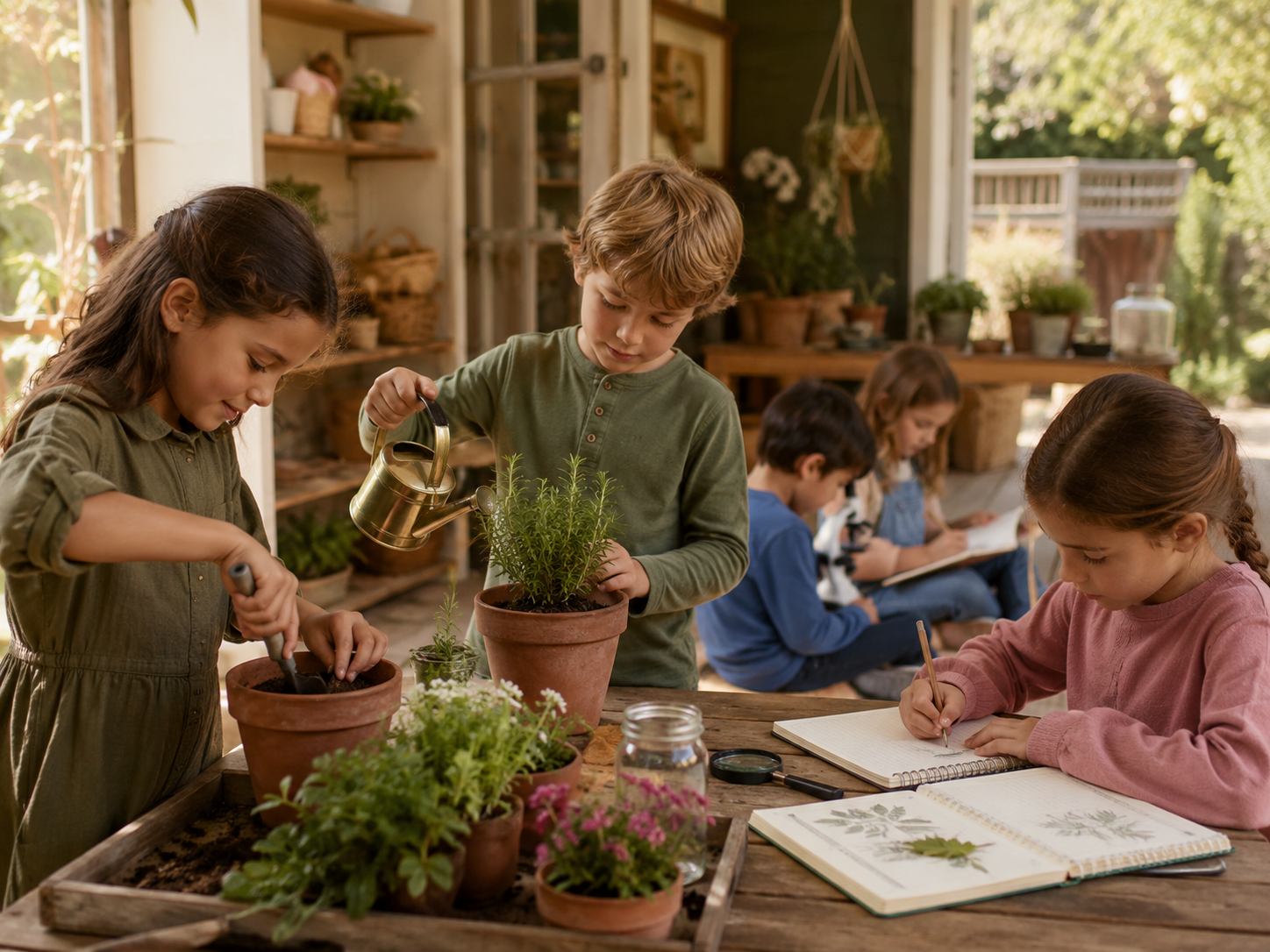
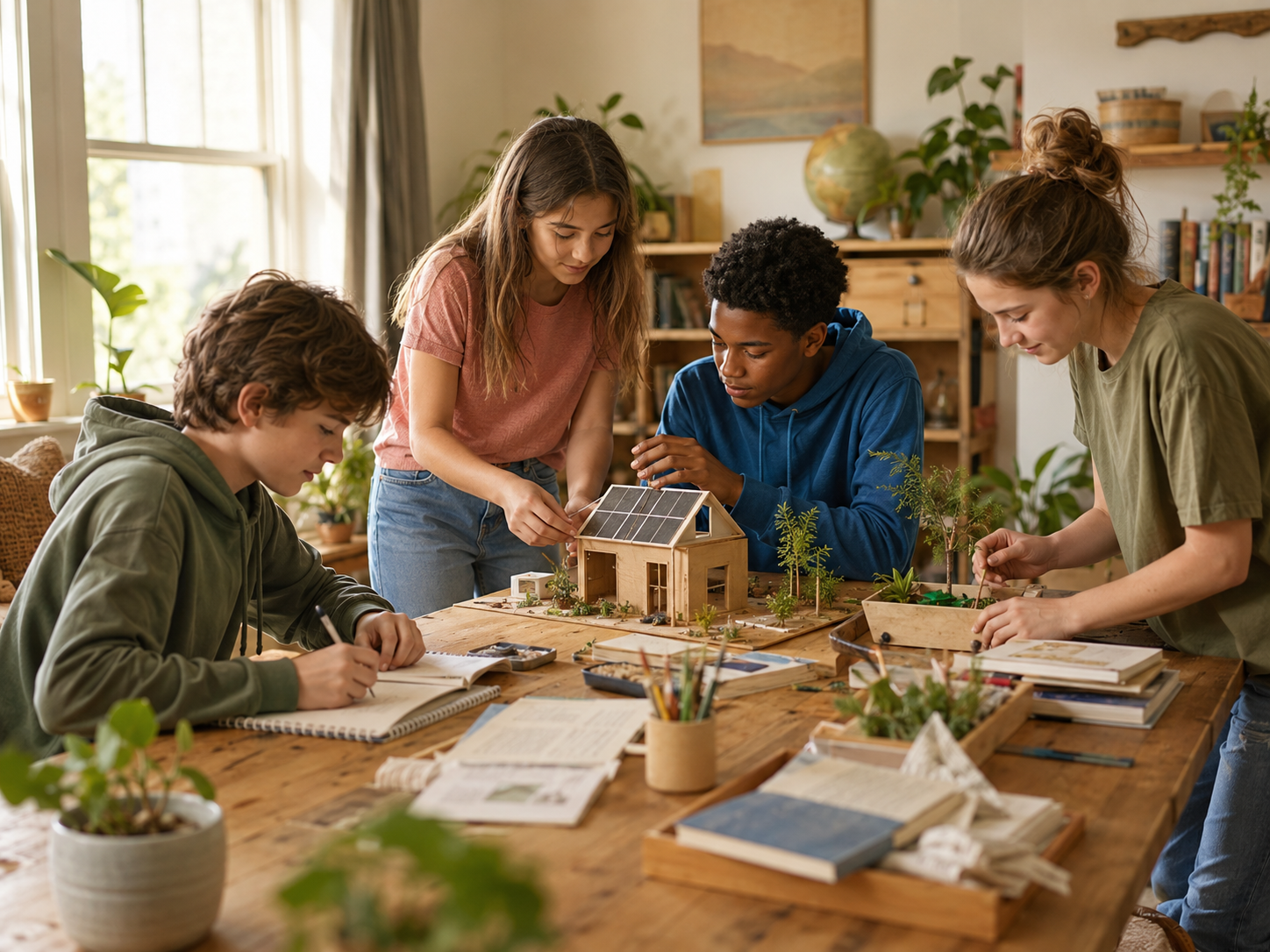
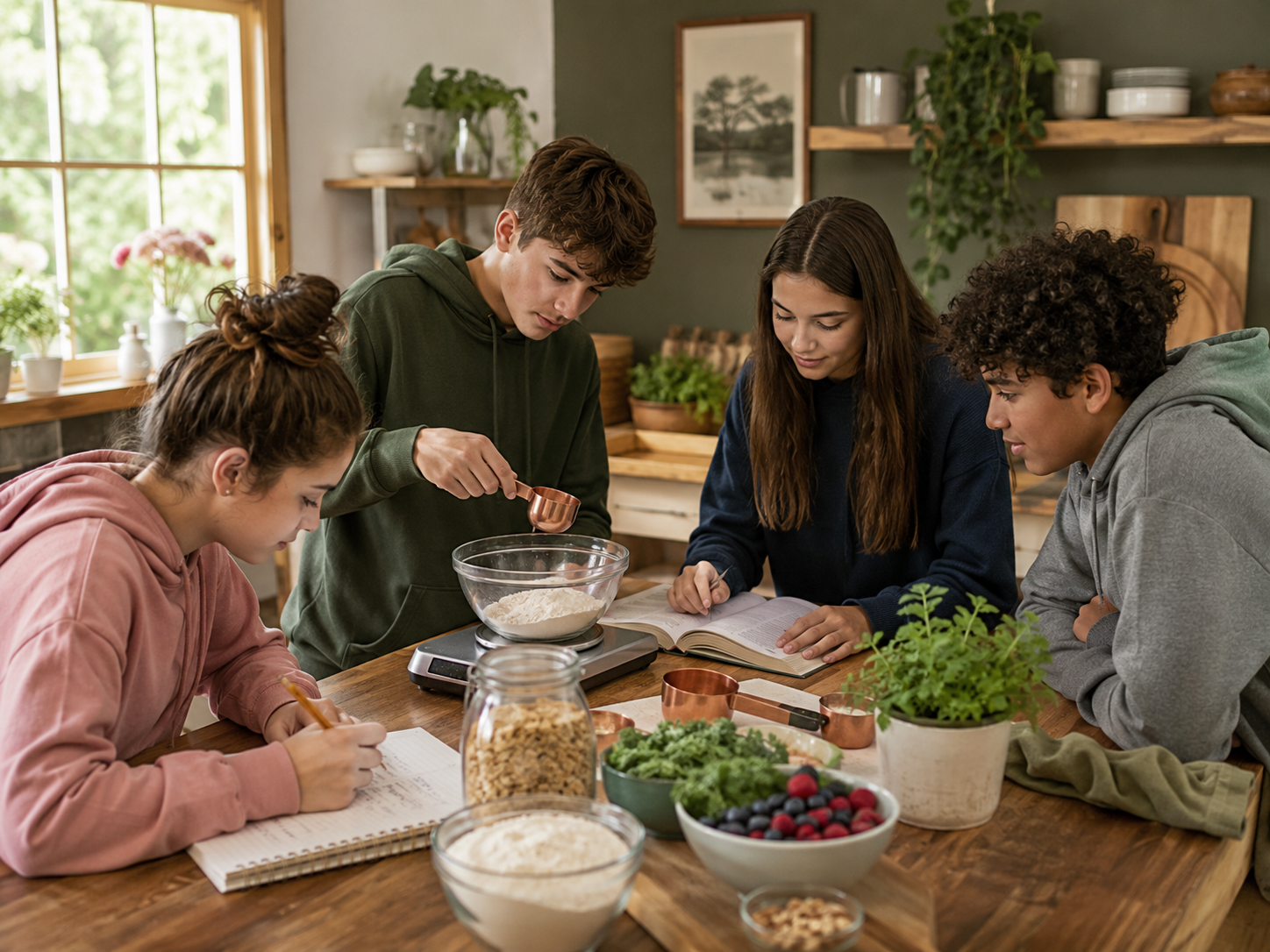
Core academics are intentionally connected to life skills and project-based experiences. Reading, writing, math, science, and social studies are taught through meaningful themes and practical learning opportunities, helping students understand why their learning matters beyond a worksheet or textbook. Whether students are planning, researching, creating, measuring, problem-solving, exploring nature, building, cooking, budgeting, or presenting their ideas, they are learning in ways that feel purposeful and connected to life.
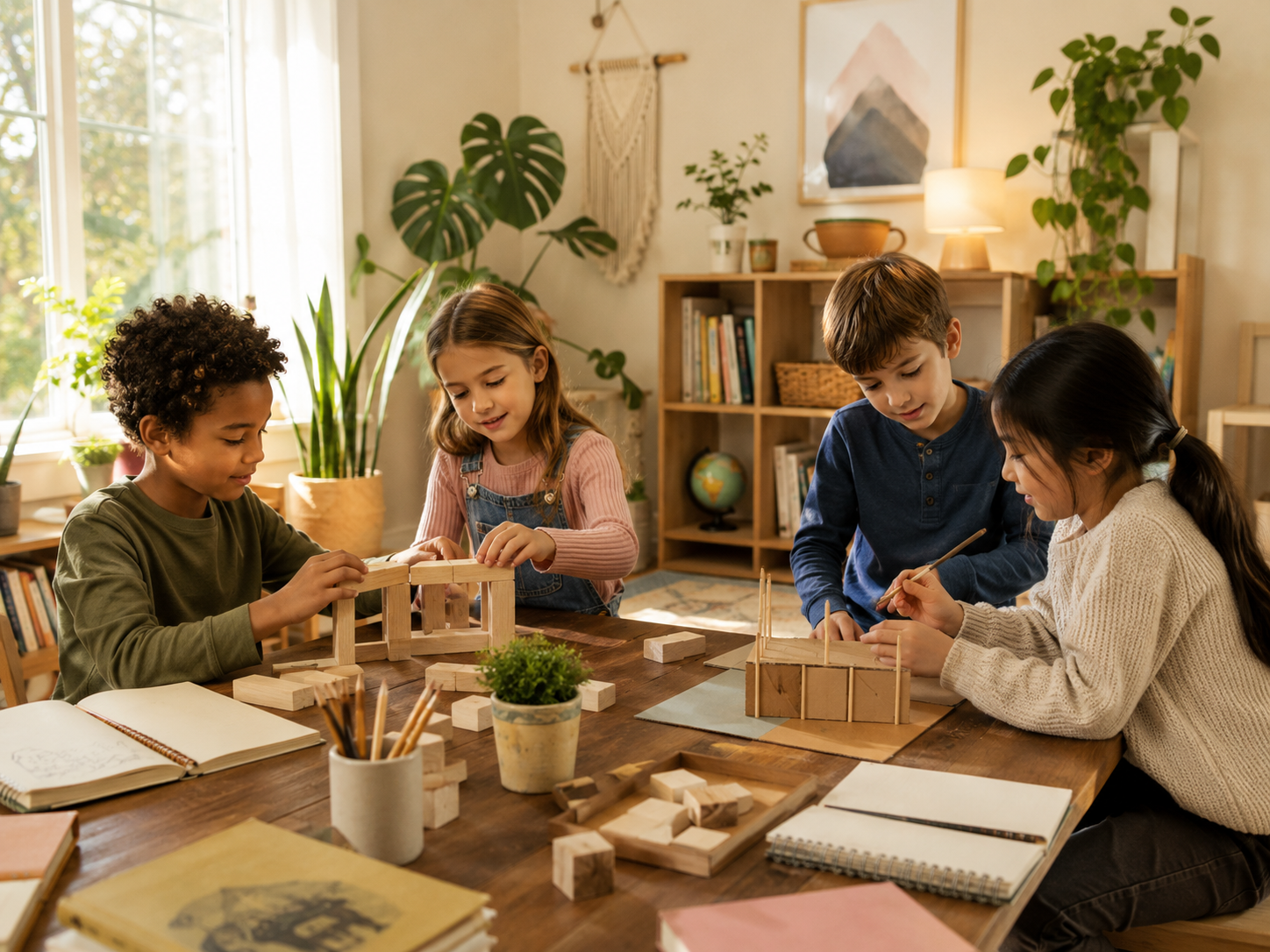
Children were not created to sit silently in a chair for hours at a time. At Foundations Learning Community, students have opportunities for movement, hands-on learning, discussion, creativity, and active engagement throughout the day. Character development is also woven into the learning experience, helping students grow not only academically, but also in responsibility, respect, perseverance, empathy, and confidence.

What Makes Foundations Different
A Day at Foundations
At Foundations Learning Community, each day is designed to provide structure, consistency, movement, individualized instruction, and real-life learning. Students follow a daily rhythm that includes prayer and community time, core academics, life skills, integrated learning, physical movement, independent reading, character development, and organization.
Learning is not centered around state testing or sitting still and quiet for hours at a time. Instead, students are supported through meaningful instruction, hands-on experiences, movement, discussion, creativity, and opportunities to apply what they are learning to real life.
Each day may include a Life Skill Focus that connects reading, writing, math, science, and social studies in a purposeful way. While all students may explore the same focus, instruction is adjusted during key learning blocks so each child is working at an appropriate level.
-
Students begin the day with light movement, prayer, reflection, and community-building. This time helps set a positive tone for the day while reinforcing character traits such as respect, responsibility, kindness, gratitude, perseverance, and wise decision-making. All students participate together, with discussion and reflection naturally adjusted based on age and maturity.
-
During the Core Academic Block, students receive individualized instruction based on their current academic level, learning needs, and pace of growth. While the Life Skill Focus may be shared, the reading, writing, and math skills are adjusted so each child is appropriately supported and challenged.
For example, during a Money Management focus, younger learners may read simple passages about needs and wants, identify coins and bills, count money, and write basic sentences about saving, spending, or making choices.
Middle grade learners may read short finance-related texts, add and subtract decimals, compare prices, and write short explanations about budgeting choices.
Older learners may read age-appropriate articles about personal finance, calculate discounts, percentages, sales tax, and exchange rates, and write reflections or plans based on real-world financial decisions.
-
Life skills are taught in a way that connects to real life and can be tailored to what families value for their child. During a Money Management focus, students learn practical skills that support independence, responsibility, and real-world decision-making.
Younger learners may learn what money is, identify coins and bills, understand value, count money, and practice making simple purchases.
Middle grade learners may work on adding and subtracting decimals, comparing costs, creating simple budgets, and understanding saving, spending, and giving.
Older learners may apply money skills through percentages off, discounts, sales tax, budgeting, exchange rates, and planning for real-world situations such as travel, shopping, or saving for a goal.
-
Integrated learning allows students to see how reading, writing, science, and social studies connect to real-life situations instead of learning each subject in isolation. During a Money Management focus, students may explore how money is used in families, communities, and countries around the world.
Younger learners may explore goods, services, community helpers, needs and wants, and how people use money in daily life. Writing may include drawing, labeling, and simple explanations.
Middle grade learners may study resources, trade, production, and how communities use money to meet needs and make choices. Writing may include short responses, comparisons, research notes, or explanations.
Older learners may explore currency in other countries, exchange rates, global trade, travel costs, and how resources impact economies. Writing may include research summaries, reflections, comparisons, or presentations.
-
Throughout the day, students have opportunities to move, reset, read independently, build responsibility, and strengthen important learning habits. Snack, lunch, recess, physical education, recreation, quiet work time, fine motor development, cursive writing, and organization are all part of the daily experience.
These shared routines help students build independence, confidence, social skills, healthy habits, careful work habits, and personal responsibility. Older students may be given more challenge or ownership during these times, but the focus remains the same for all students: building strong habits that support learning and life.
-
At Foundations Learning Community, academics are taught with purpose. Students build skills in reading, writing, math, science, and social studies while also learning how those skills apply to real life. The goal is to help students grow academically while also developing character, confidence, independence, responsibility, and practical life skills they can use beyond the classroom.
Sample Daily Rhythm
8:00 – 8:30 | Morning Movement, Prayer & Community Time
8:30 – 9:30 | Core Academic Block: Reading, Writing & Math
9:30 – 9:45 | Snack Break
9:45 – 10:30 | Life Skill Focus
10:30 – 11:30 | Integrated Learning: Science, Social Studies & Writing
11:30 – 12:00 | Lunch & Recess
12:00 – 12:30 | Independent Reading & Quiet Work Time
12:30 – 1:15 | Physical Education & Recreation
1:15 – 1:30 | Fine Motor Development & Cursive Writing
1:30 – 2:00 | Mini Life Skills: Time Management & Organization

Family Partnership
***
Family Partnership ***

Family Partnership


At Foundations Learning Community, families are viewed as an important part of each child’s learning journey. Parents know their children deeply, and their insight helps guide the support, structure, and learning experiences that will be most meaningful for each student.
Because every child learns differently, communication with families is essential. Foundations Learning Community values open conversations about a child’s strengths, needs, interests, goals, and areas for growth. This partnership allows instruction to be more personalized and helps ensure that students are supported academically, socially, emotionally, and practically.
Life skills are also shaped with family input. While students will participate in meaningful real-world learning experiences, parents may share specific skills they want their child to develop, such as responsibility, organization, money management, cooking, communication, confidence, independence, or other practical skills that support growth at home and beyond.
The goal is to create a learning environment where families feel heard, children feel known, and learning connects to real life. By working together, Foundations Learning Community and families can help students build strong academic skills, character, confidence, independence, and a foundation for the future..
Foundations Learning Community is designed to provide families with a small, personalized learning environment where students receive individualized instruction, real-life learning experiences, character development, and meaningful support. Because enrollment is intentionally limited, families are encouraged to complete the interest form to learn more about availability, tuition, and next steps.
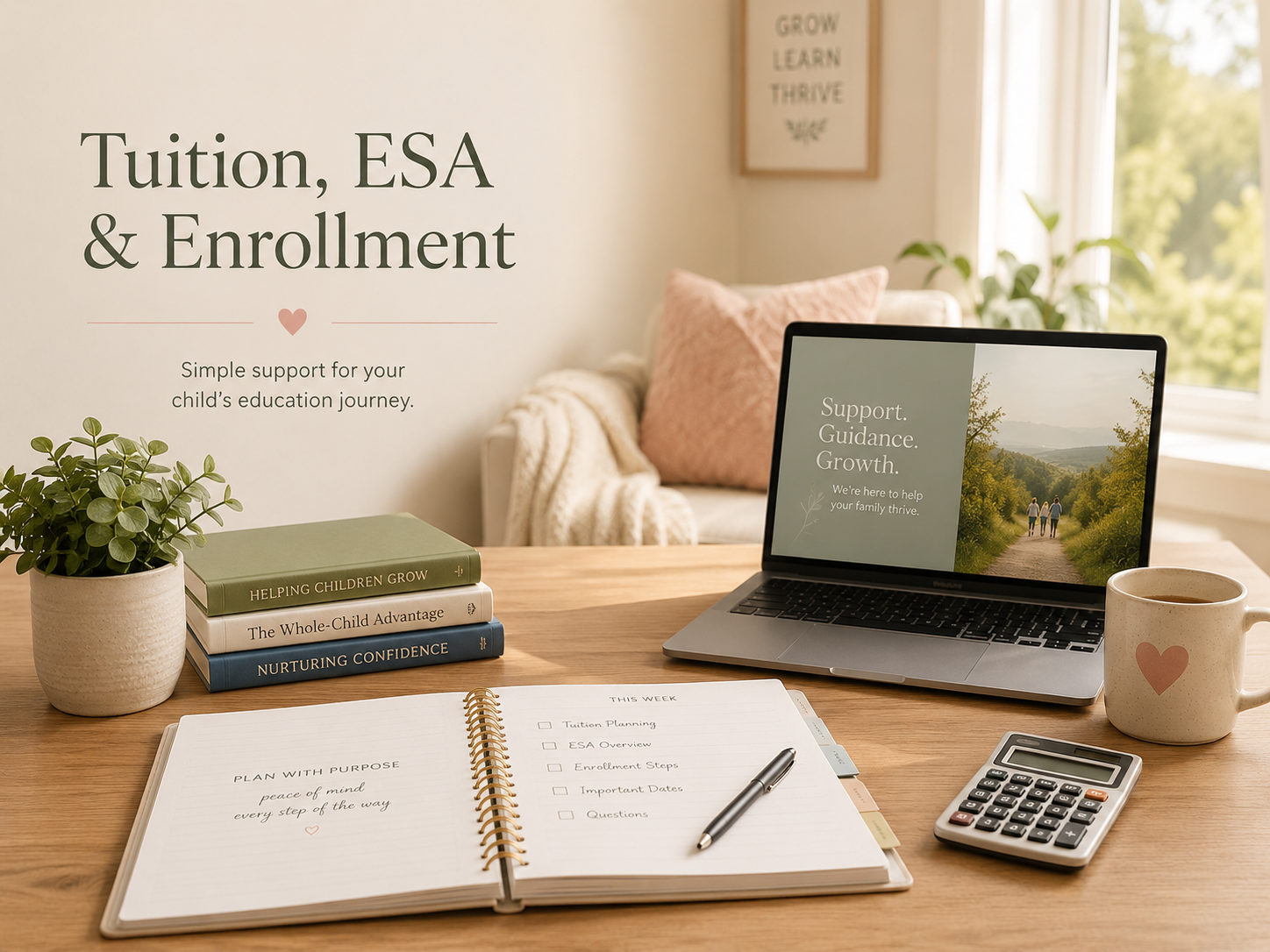
Eligible families may be able to use Arizona ESA funds toward tuition and educational expenses. Private pay options are also available. Tuition is paid on a monthly basis, and a registration/startup fee is collected at enrollment to help cover student materials, supplies, and learning resources.
Because every family’s situation is different, tuition and enrollment details are shared during the interest and enrollment process. This allows families to ask questions, learn more about the program, and determine whether Foundations Learning Community is the right fit for their child.
Enrollment is limited in order to maintain a small, supportive, and personalized learning environment. Families interested in learning more are invited to complete the interest form below and schedule a conversation about their child’s needs, goals, and educational fit.
Request Tuition and Enrollment Information
Interested in learning more about Foundations Learning Community? Complete the interest form and we will contact you with the next steps.